
What Is Google AI Mode & Why It Matters for SEO in 2025
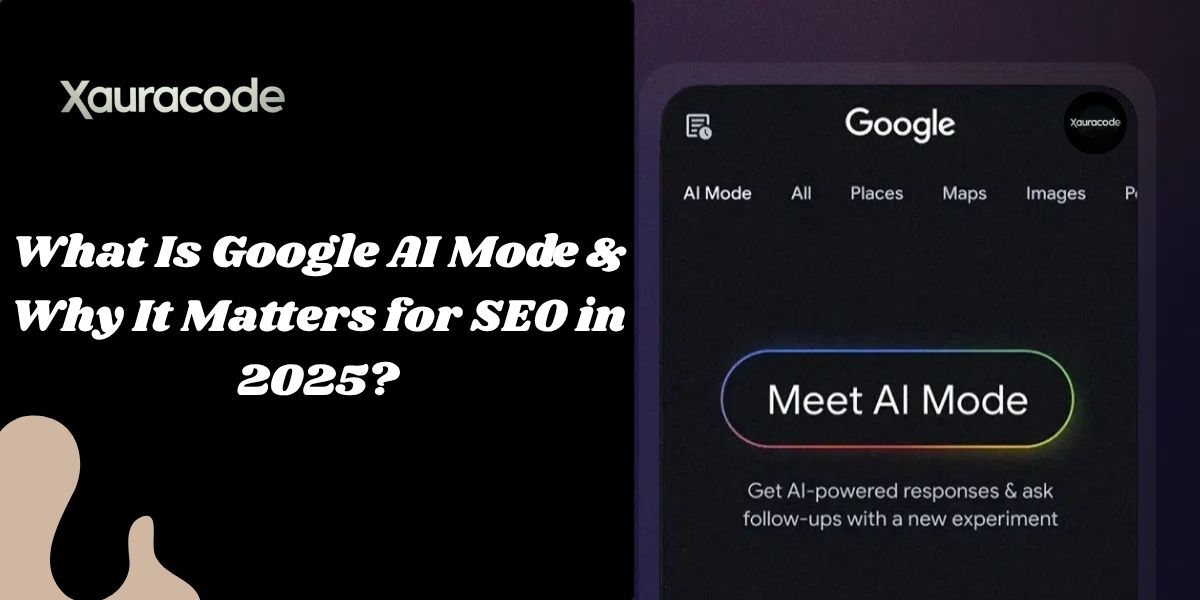
The way we interact with search engines is undergoing a revolutionary transformation. In 2025, Google AI Mode has emerged as one of the most significant innovations in search technology. As digital experiences shift toward more intelligent, conversational, and intuitive interactions, marketers, brands, and content creators must adapt their strategies to keep up. But what exactly is Google AI Mode, and why should SEO professionals pay attention?
Let’s dive into what Google AI Search is, how it works, and its impact on the future of SEO.
What is Google AI Mode?
Google AI Mode is part of a broader movement toward AI-powered Google Search, designed to help users find information more efficiently using natural language, context, and conversation. Rather than typing traditional keywords, users can ask Google complex questions, make follow-up queries, or even use voice and image inputs to find what they need.
At the heart of Google AI Mode is Google SGE (Search Generative Experience)—a cutting-edge technology that combines generative AI, machine learning, and conversational abilities. It powers features like summaries, product comparisons, and AI-written insights right within the search results page.
According to Google’s official AI mode page, the new Google AI search features aim to simplify how people find answers, research topics, and make decisions online.
Key Features of Google AI Mode :
Here are some standout features of this AI-first Google Search experience:
Conversational Search Flow: Users can follow up on queries naturally, as if chatting with an AI assistant.
Summarized Results: Instead of a list of blue links, Google offers generative summaries with source links.
Multimodal Input: Search using text, images, or voice—enabled by Google Gemini Search and Lens.
AI-Powered Recommendations: Google suggests next questions based on your current search intent.
Real-Time AI Answers: Immediate, synthesized responses powered by Google AI assistant mode.
This shift toward Google smart search allows the engine to understand nuance, intent, and context, making the experience far superior to keyword-only input.
Why Google AI Mode Matters for SEO in 2025 :
With the rise of Google Search with AI, traditional SEO approaches are no longer enough. The focus is shifting from keyword-stuffed content to helpful, context-rich, and semantically intelligent content.
Here’s how Google search AI integration is reshaping SEO:
1. Search Intent is King
Google’s AI understands the why behind searches, not just the what. SEO must now focus on intent-driven content that genuinely helps users.
2. AI Snippets Replace Classic Snippets
Instead of ranking for a simple snippet, your content may be pulled into an AI-generated answer, giving you new exposure if structured correctly.
3. Conversational SEO Strategy
Keywords now need to reflect real, conversational questions, as used in AI interactions. This is where Google conversational search takes over.
4. Focus on Topical Authority
Google prioritizes authoritative content from niche experts. Long-form, high-quality articles that deeply cover a topic are favored.
5. Image + Voice Optimization
Visual search and voice queries are increasing with Google Gemini Search and AI-enhanced Google results. Sites must optimize for both.
Benefits of Google AI Search Mode :
Understanding the benefits of Google AI search mode can help both users and marketers see why this innovation is a game-changer:
1. Faster, More Accurate Answers
AI mode dramatically reduces time spent sifting through pages. It delivers the exact answer—summarized and sourced—within seconds.
2. Deeper Search Interactions
Users can ask follow-up questions and go deeper into any topic, creating a more dynamic and intuitive search experience.
3. Multimodal Functionality
Search by uploading an image, speaking a question, or typing casually. This flexibility empowers users to search however they think.
4. Improved Content Discovery
Even lesser-known brands can appear in AI summaries if their content is valuable and well-structured, leveling the playing field.
5. Personalized & Contextual Results
With AI-first Google search, the system considers user history and context to deliver tailored, relevant information.
SEO Strategies to Adapt for Google AI Mode :
To rank in the new Google search experience, here are key SEO actions to take in 2025:
Use Conversational Keywords –
Incorporate natural, question-based phrases. Tools like Answer The Public or Google’s “People Also Ask” are more relevant than ever.
Optimize for Rich Media –
Include structured data, images, video, and audio snippets. These help Google identify your content for enhanced results.
Focus on E-E-A-T –
Expertise, Experience, Authoritativeness, and Trustworthiness (E-E-A-T) remain central in Google’s AI evaluation of content quality.
Use Semantic HTML & Structured Data –
Help Google understand your content hierarchy with proper heading tags and schema markup. This increases visibility in AI-generated search summaries.
Create Topic Clusters –
Group related content into hubs to establish topical authority and ensure your site becomes a trusted source in your niche.
Future of SEO in the Age of AI :
As Google search update 2025 rolls out globally, we can expect continued evolution. With Google generative search, the engine becomes more of a co-pilot than a tool—helping users think, decide, and act smarter.
This changes the game for marketers. It’s not about chasing keywords anymore; it’s about being helpful, trustworthy, and human-focused.
Conclusion :
Google AI Mode is not just a feature—it’s the future of search. With its powerful AI-powered Google Search technology, tools like Google SGE, Gemini, and AI-enhanced Google results are making information retrieval faster, smarter, and more intuitive.
For businesses, bloggers, and digital marketers, adapting to this new search landscape is crucial. Success in 2025 and beyond depends on how well your content aligns with this AI-first Google search approach.
Whether you’re optimizing a website, launching a blog, or building a brand, the message is clear: search has changed—and SEO must change with it.
